Common Artificial Grass Problems In Commercial Areas
Local service providers can repair common artificial grass problems in commercial areas, helping restore safety, appearance, and functionality efficiently.
If your commercial property features artificial grass, understanding common problems that can arise is essential for maintaining a professional and inviting appearance. Issues such as uneven surfaces, matting, or areas of wear and tear can impact both the aesthetic and safety of the space. Property owners in the area might explore this topic to learn practical solutions for addressing these challenges, ensuring their outdoor areas remain functional and visually appealing. Recognizing these common issues can also highlight the importance of timely repairs, which local contractors specializing in artificial turf repair are well-equipped to handle.
Keeping artificial grass in top condition is crucial for businesses and property managers who want to maximize the value of their outdoor spaces. Over time, problems like fading, embedded debris, or damaged sections can develop, affecting the overall look and usability of the turf. Fortunately, local service providers who focus on artificial turf repair offer targeted solutions to restore the surface efficiently. Exploring these common problems and understanding repair options can help property owners make informed decisions to keep their commercial areas looking their best.
- Patch Repairs - when sections of artificial turf in commercial areas become worn or torn, local contractors can efficiently patch and restore the surface.
- Seam Re-adhesion - if seams in artificial grass start lifting or separating, service providers can re-adhere and secure them for a seamless look.
- Drainage Fixes - poor drainage causing pooling or water buildup requires local pros to assess and repair underlying issues to restore proper flow.
- Infill Replacement - when infill materials shift or become compacted, local contractors can replace or top up infill for even surface performance.
- Surface Leveling - uneven or sunken areas in artificial turf can be leveled out by service providers to ensure safety and aesthetic appeal.
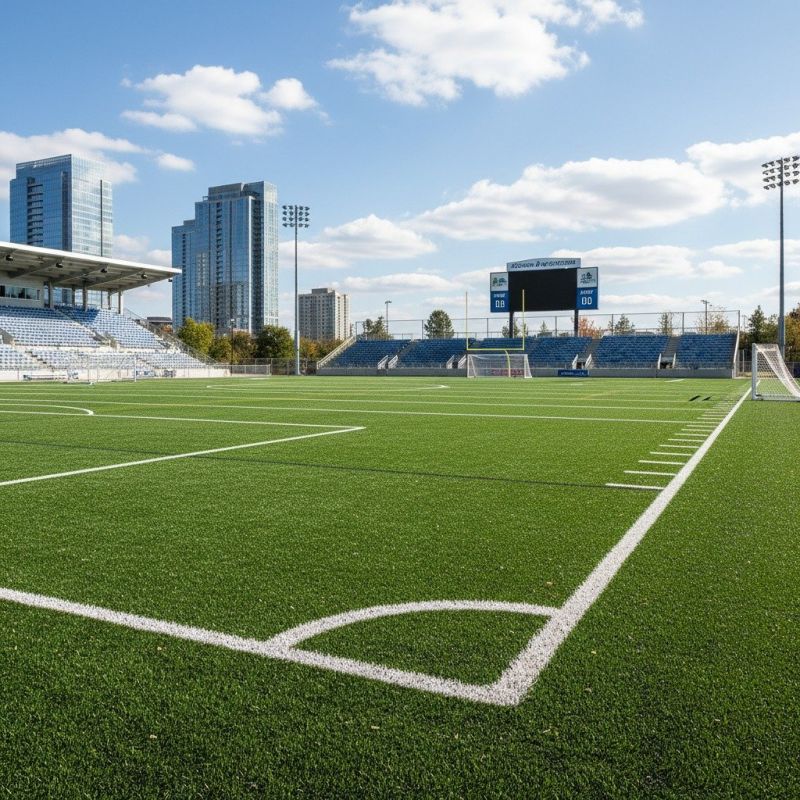
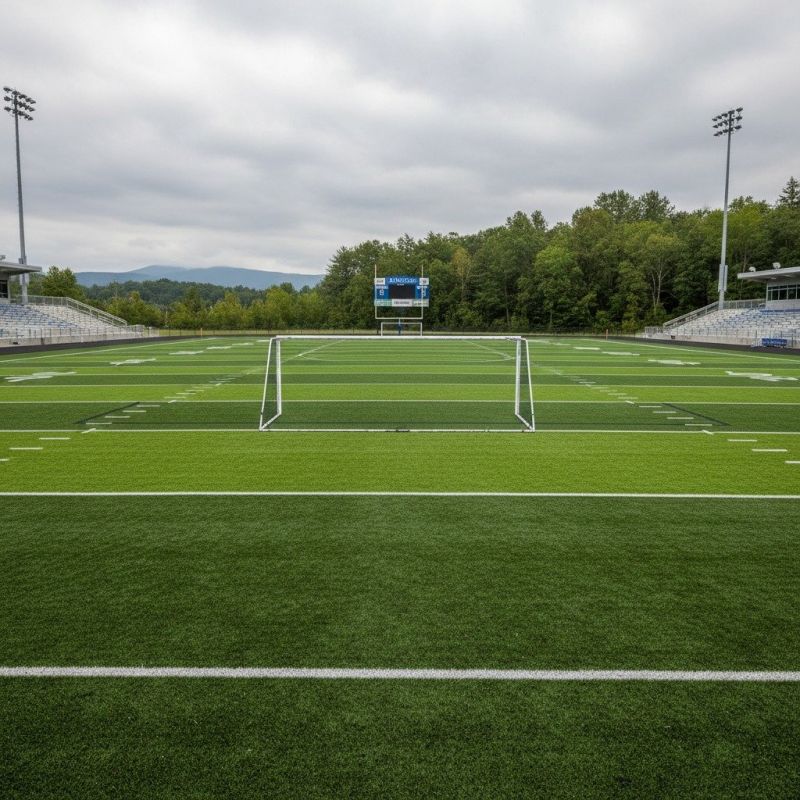
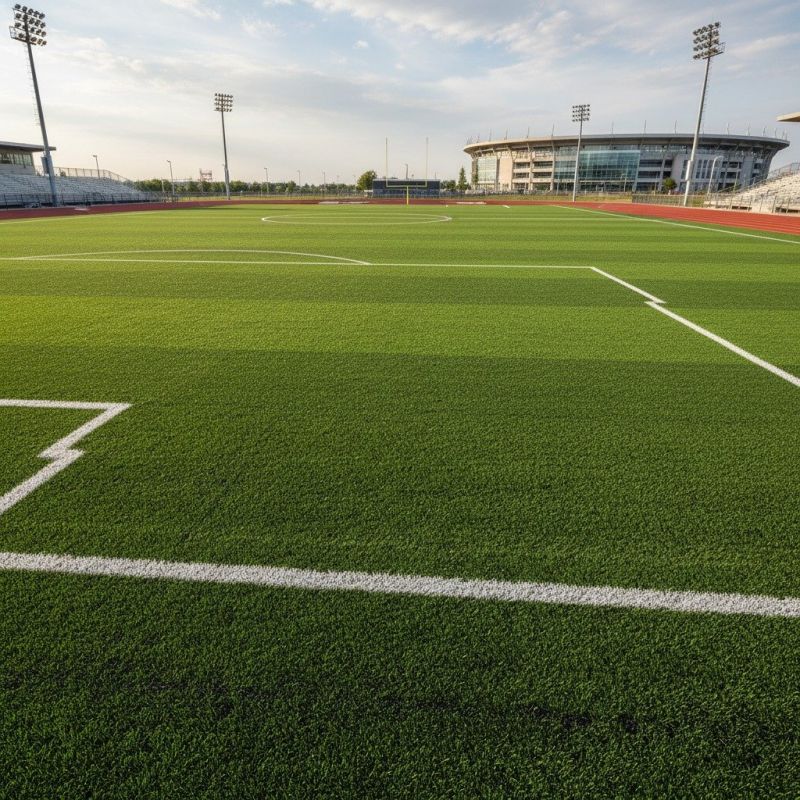
Common artificial grass problems in commercial areas often stem from heavy foot traffic and frequent use, which can lead to premature wear and tear. In high-traffic zones such as walkways, entryways, or outdoor seating areas, the turf may develop bald patches, matting, or uneven surfaces over time. Property owners searching for solutions typically want to understand how to maintain a professional appearance while ensuring durability. Local contractors specializing in artificial turf repair can assess these areas, recommend appropriate fixes, and help restore the grass’s original look and functionality, making sure the surface remains safe and visually appealing for visitors.
Another common issue associated with commercial artificial grass is infill displacement. Infill materials-such as silica sand or rubber granules-are essential for stability and cushioning but can shift or become uneven due to weather, improper installation, or ongoing use. When infill moves out of place, the turf may feel less firm underfoot, and the surface can appear lumpy or inconsistent. Property managers and business owners often seek repair services to replace or redistribute infill, ensuring the turf maintains its intended performance and appearance. Local service providers can handle these adjustments efficiently, helping to extend the lifespan of the artificial grass and keep the property looking well-maintained.
Drainage problems are another frequent concern in commercial areas with artificial turf. Poor drainage can lead to water pooling, muddy patches, and even damage to the turf backing, especially after heavy rain or frequent cleaning. These issues not only detract from the aesthetic but can also pose safety hazards. Business owners searching for solutions might need professional repair to improve drainage systems or replace compromised sections of turf. Local contractors experienced in artificial grass repair can evaluate drainage issues, identify underlying causes, and implement solutions that promote proper water runoff, reducing the risk of future problems and maintaining a clean, functional surface.
Lastly, artificial grass in commercial settings can suffer from physical damage such as tears, burns, or staining caused by equipment, chemicals, or environmental factors. These types of damage can quickly diminish the visual appeal and safety of the turf, especially in areas where outdoor equipment or maintenance activities are common. Business owners often look for repair services to patch or replace damaged sections, restoring the surface’s integrity. Local pros who specialize in artificial turf repair are equipped to handle these issues, ensuring that the turf remains durable and attractive for ongoing use in busy commercial environments.
Sports field installation - professionals skilled in installing and repairing artificial turf for athletic fields can address common issues like uneven surfaces and drainage problems in commercial areas.
Playground surface services - local contractors experienced in playground safety surfacing often handle turf repairs related to wear, tears, and safety compliance concerns.
Landscaping and turf installation - experts in commercial landscaping can assist with turf leveling, seam repairs, and addressing damage caused by heavy foot traffic or equipment.
Drainage system installation - specialists who install drainage solutions are equipped to resolve water pooling and erosion issues affecting artificial grass in commercial settings.
Synthetic turf maintenance - service providers offering turf upkeep can help identify and fix problems like matting, weed intrusion, and infill displacement.
Erosion control projects - contractors focused on erosion mitigation can address foundation stability issues that impact the integrity of artificial grass installations.
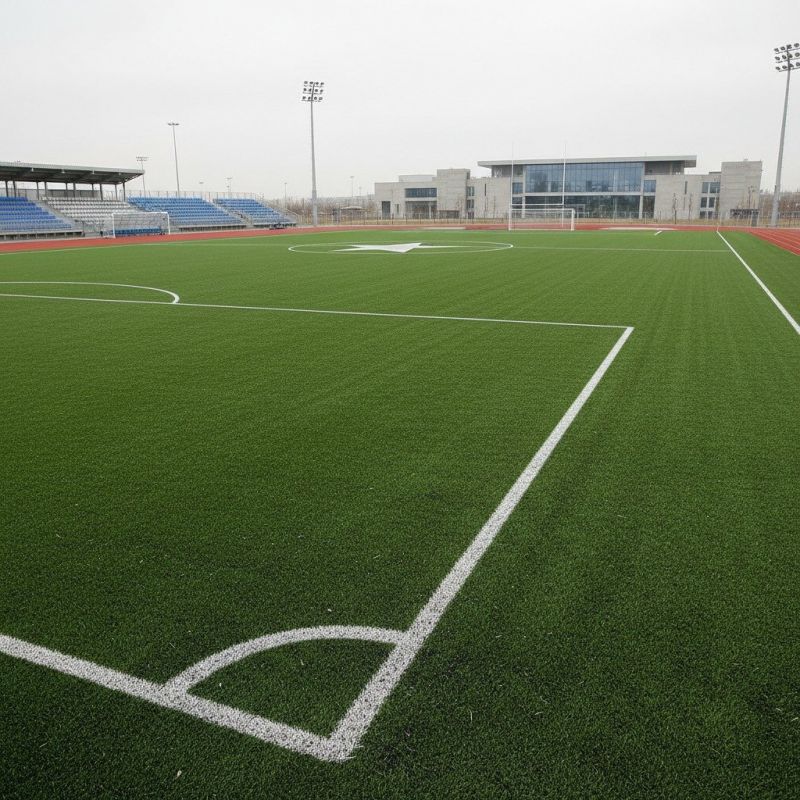
When evaluating contractors for commercial artificial turf repair, it’s important to consider their experience with similar projects, especially those involving common artificial grass problems in commercial areas. Service providers with a proven track record handling repairs in environments comparable to the property can offer insights into effective solutions and potential challenges. Homeowners should look for references or examples of past work that demonstrate the contractor’s familiarity with issues such as uneven surfaces, drainage problems, or turf wear, ensuring they have the practical know-how to address specific concerns efficiently.
Clear written expectations are essential when comparing local contractors for artificial turf repairs. A detailed scope of work, including the types of repairs offered and the materials used, helps prevent misunderstandings and sets a foundation for a successful project. Homeowners should seek out providers who communicate their process transparently and provide written estimates or proposals that outline the work involved. This clarity allows for better comparison between contractors and ensures that everyone involved understands what will be delivered, reducing the risk of surprises or unmet expectations.
Good communication is a key factor in selecting a reliable service provider for commercial artificial turf repairs. A contractor who is responsive, willing to answer questions, and transparent about their approach can foster a smoother working relationship. Reputable local pros prioritize clear, ongoing communication, making it easier for homeowners to stay informed about project progress and any unforeseen issues that may arise. By focusing on contractors who demonstrate professionalism and attentiveness, property owners can feel more confident in their choice and ensure that the repair process aligns with their needs and expectations.
Property owners often search for common artificial grass problems in commercial areas when they are planning practical projects around their homes and businesses. Local pros provide Commercial Artificial Turf Repair services for everyday jobs and straightforward project options.
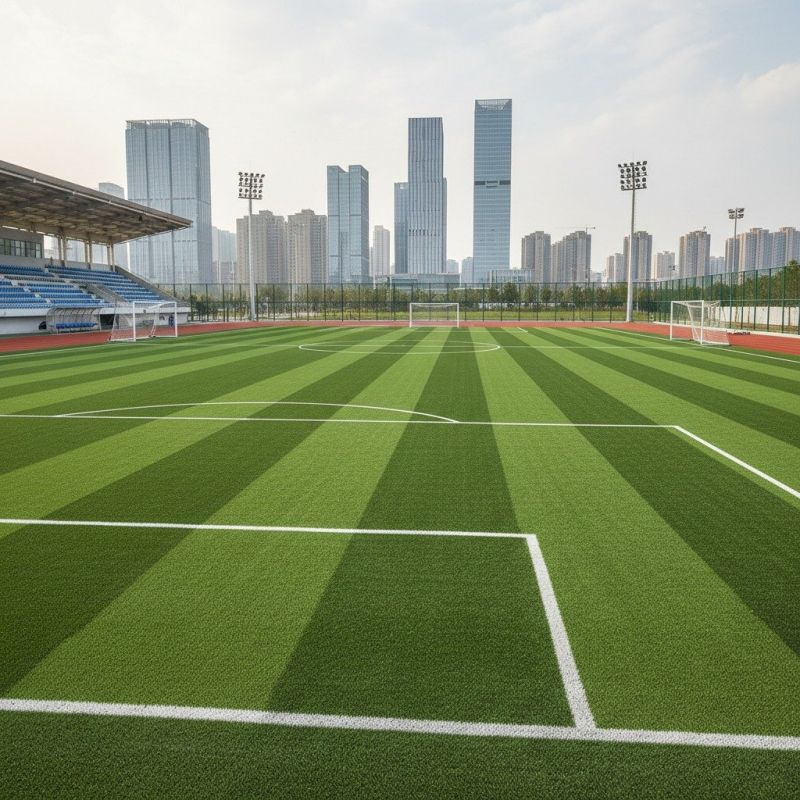
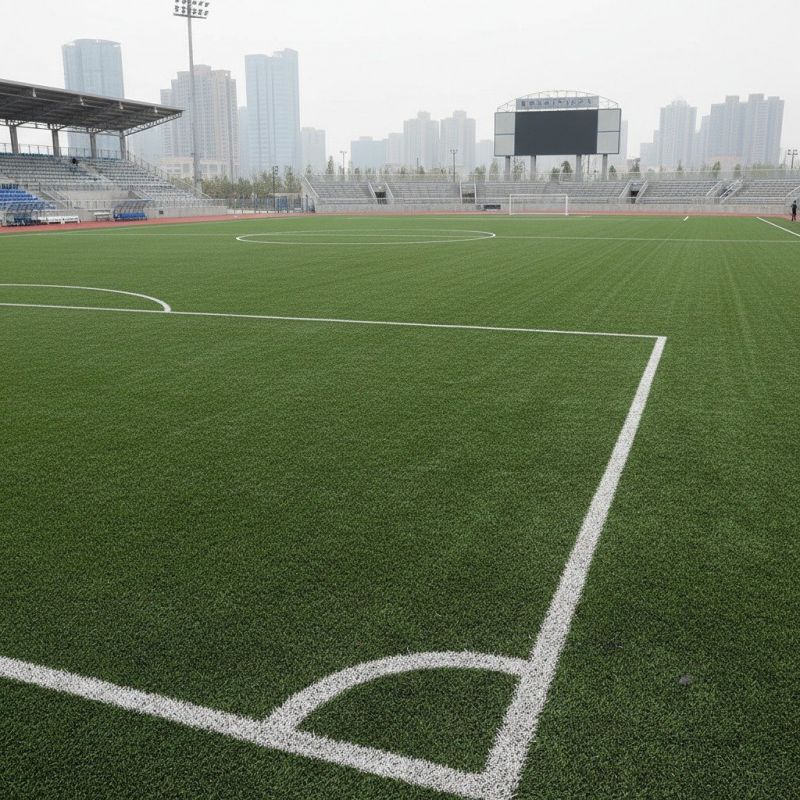
In busy commercial areas, artificial grass often faces common issues that can impact its appearance and functionality. Wear and tear from high foot traffic can cause matting, flattening, or even tearing of the turf fibers, leading property owners to seek repair solutions to restore a fresh look. Additionally, exposure to the elements may result in uneven surfaces or localized bald spots, especially in areas where drainage isn't optimal. These everyday project situations make it essential for property owners to consider professional artificial turf repair services offered by local contractors who have experience addressing such common problems efficiently.
Another frequent concern involves the appearance of artificial grass, which can be affected by staining, discoloration, or the accumulation of debris over time. These issues not only diminish the aesthetic appeal but can also cause further damage if left unaddressed. Local service providers specializing in commercial artificial turf repair can assess these problems and perform necessary fixes, such as patching damaged sections or cleaning to improve overall look and longevity. For property owners encountering these typical issues, connecting with experienced local contractors ensures the turf is properly maintained and restored to meet the demands of a busy commercial environment.
What are common issues with artificial grass in commercial areas? Common artificial grass problems in commercial areas include matting, uneven surfaces, and weed intrusion, which can affect appearance and safety.
How can damaged or worn artificial turf be repaired? Local contractors offer repair services such as patching, re-seaming, and replacing sections of turf to restore its look and functionality.
What causes artificial grass to become uneven or develop wrinkles? Improper installation, ground settling, or heavy foot traffic can lead to uneven surfaces and wrinkles, which local pros can fix through re-leveling and re-installation.
Are weeds a common problem with commercial artificial turf? Yes, weed intrusion can occur around the edges or through seams, and experienced service providers can implement weed barriers or repair damaged areas to prevent this.
What should be done if artificial grass shows signs of fading or discoloration? Fading or discoloration can be addressed by professional cleaning, infill replacement, or turf patching, which local contractors can perform to improve appearance.
Identifying uneven surfaces - Property owners can work with local contractors to assess and level areas where artificial turf has shifted or become uneven, ensuring safety and aesthetic appeal.
Addressing drainage issues - Professionals can evaluate and improve drainage systems to prevent water pooling that causes turf deterioration or mold growth.
Repairing turf wear and tear - Local pros can patch or replace damaged sections caused by heavy foot traffic or equipment, maintaining a consistent appearance.
Managing weed and pest intrusion - Service providers can implement solutions to control weeds and pests that compromise the integrity of artificial grass in commercial settings.
If you are thinking about common artificial grass problems in commercial areas for a property, this guide is meant to help you understand this topic, the typical project types, and how different options might fit your plans.
When you are ready, you can use the quote form on this page to share a few details about your project. From there, local pros can review the basics and follow up with options that match what you have in mind.